
How to Get Married in Denmark as a Foreigner (2026 Guide)
The Danish marriage process for international couples, step by step — eligibility, documents, the DKK 2,100 fee, approval times and booking a town hall.
Updated 12 October 2026

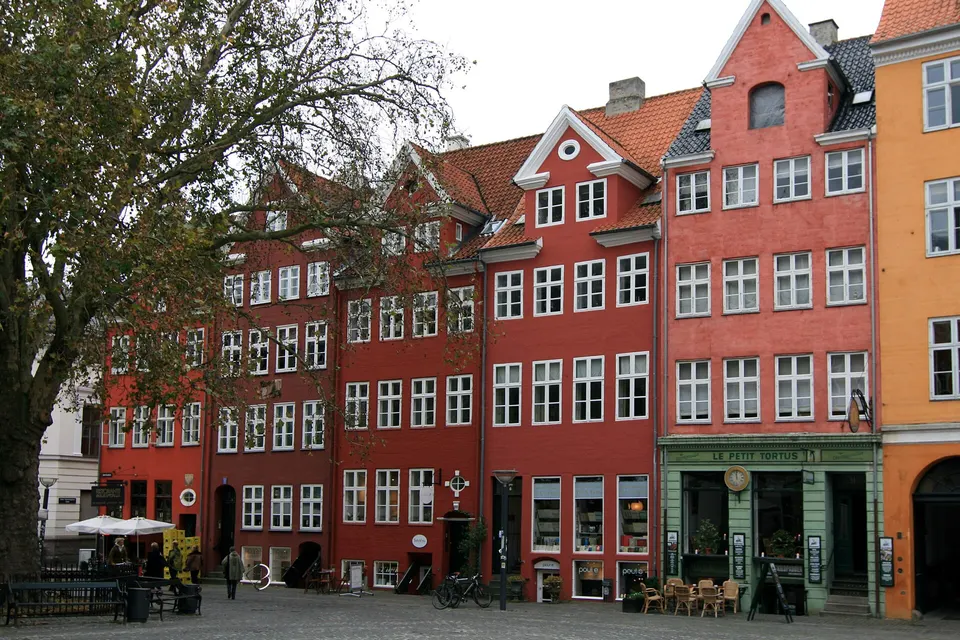
Denmark has quietly become Europe’s easiest place for international couples to marry. There’s no residency requirement, the paperwork is handled by one central agency, and once you’re approved you can marry at almost any town hall in the country — often within weeks.
This guide covers the official process as of October 2026. Rules and fees change; we link to the official sources throughout.
Who can marry in Denmark
You can apply if you are both:
- 18 or over and not currently married to anyone else;
- not closely related;
- able to lawfully enter and stay in Denmark — as a Danish, Nordic, EU/EEA or Swiss citizen, a visa-free national, a holder of a Schengen visa (issued by any Schengen country), or with a residence permit.
Two details catch people out. First, “procedural residence” — staying somewhere while an immigration application is pending — normally doesn’t count. Second, non-EU passports must be valid at least three months beyond your departure, have two blank pages and be less than ten years old.
The authorities also check for marriages of convenience, and may ask how you met or whether you have lived together.
Step 1: Gather your documents
The application goes to the Danish Agency of Family Law (Familieretshuset), not to the town hall. You’ll need, for each partner:
- Passport — photos of every page, including blank ones and the covers.
- Proof of lawful residence — your residence permit where you live now, and/or your visa for Denmark.
- Certificate of marital status from your country of residence (unless you live in Denmark). If your country doesn’t issue one, explain why in the application.
- Divorce decree or death certificate if either of you has been married before.
Documents that aren’t in Danish, English or German need an authorised translation before you apply. Some may also need an apostille or legalisation — divorce decrees especially.
Step 2: Apply and pay
You apply online. Without Danish MitID you’ll use the version that requires handwritten signatures (print, sign, scan). The fee is DKK 2,100 for 2026 and must be paid before the agency starts processing — online, or by bank transfer to the account listed on the official page.
Step 3: Approval
Complete applications are targeted at around five working days. You’ll receive a certificate (prøvelsesattest) that is normally valid for four months — shorter if your passport expires sooner. Book your wedding inside that window.
Step 4: Book a town hall
With approval in hand, you can book any Danish municipality with space. Copenhagen City Hall is the obvious choice, but since late 2025 it reserves roughly 40% of slots for residents, and waits of around 12 weeks are common in season. Frederiksberg, Gladsaxe, Helsingør and the island town halls are popular alternatives — see our town hall comparison.
If you’d rather marry in a garden, on a beach or at your dinner venue, many municipalities can send a registrar to another location for a fee.
Step 5: The wedding day
Civil ceremonies are short — often five minutes — and held in English on request. Bring both passports, two adult witnesses (or ask whether the town hall provides them) and rings if you like. In Copenhagen you must show your passports at the City Hall information desk the working day before.
You’ll leave with a multilingual international marriage certificate.
Step 6: After the wedding
If you’ll use your certificate outside the EU — to register the marriage at home, change your name or for immigration — you may need an apostille. Only the Danish Ministry of Foreign Affairs can issue one; you order it through its online legalisation shop. Read our guide to apostilles for Danish marriage certificates.
Agency or do it yourself?
You can absolutely do this yourself — the process is designed for it. Agencies earn their fee when your situation is complicated (previous marriages abroad, visa questions, unusual documents) or when you want a package with the town hall booking, a photographer and flowers handled for you. Browse Denmark wedding planners or use our free matching below.
Official sources: Life in Denmark — getting married · Familieretshuset — international marriages

Recommended vendors
Frequently asked
Do we need to live in Denmark to get married there?
No. There is no residency requirement. You must both be able to enter and stay in Denmark lawfully — visa-free, on a Schengen visa or with a residence permit — but you don't even need to be in Denmark when you apply.
How much does it cost to get married in Denmark?
The Agency of Family Law charges DKK 2,100 (about €280) in 2026 to process the application. Town hall ceremonies themselves are generally free; Copenhagen dropped its extra fees for non-residents in 2025. Agencies, photographers and apostilles cost extra.
How long does approval take?
The agency aims to process complete applications in around 5 working days. Incomplete applications and peak season (May–September) take longer.
Is a Danish marriage valid in my home country?
Danish civil marriages are widely recognised, but each country has its own rules for registering a foreign marriage. You may need an apostille on your marriage certificate — check with your home authorities.
Can same-sex couples marry in Denmark?
Yes. Denmark has had same-sex marriage since 2012, and the process for international couples is the same.
Keep reading